

A handheld computer for warehouses is a device for mobile use which allows warehouse workers to check out items and make updates to data as they work. It is also possible to hear the Italian expression "palmare magazzino," which refers to the same concept. The devices typically include the barcode scanner with a touchscreen, and wireless connectivity to communicate with warehouse software. They're designed to withstand harsh working environments, which means drops and bumps don't end the day early. The goal is to make the warehouse's work easier and more efficient by capturing data at the time it is needed. Instead of writing down the information and re-entering them later, workers scan and move on. This simple modification can transform a messy workplace into one that operates with much less surprises.
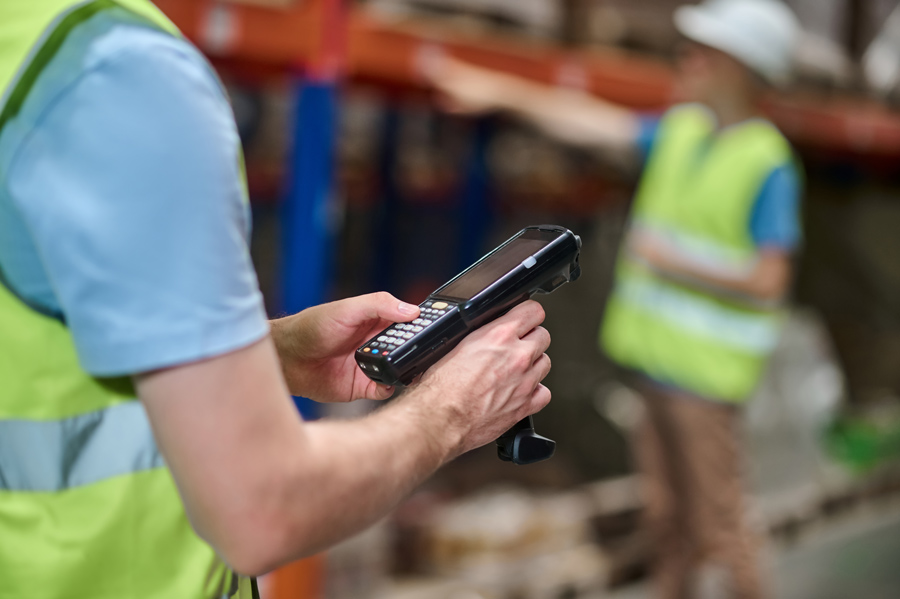
The majority of warehouses utilize handheld computers for picking, packing, receiving, and shipping because they are among the areas where mistakes are most likely to be introduced. When the picker examines an item with a scanner and the computer confirms that it is in line with the ordered item prior to placing it in the box. During packing, scanning can double-check that the right amount is in the box, which cuts down the number of returns or complaints from customers. In receiving, workers can scan incoming goods and add them to stocks immediately instead of having to wait for a future update. For shipping, scanning is a way to confirm the correct cartons are put on the right truck. This prevents costly mishaps. The steps seem simple enough, but they save plenty of time when they are repeated for hundreds or even thousands of products. In time, handhelds aid in making warehouses to work more efficiently without pushing staff into unsafe speed. The result is smoother operations as well as fewer "Where did that item go?" moments.
One of the most significant advantages is that it can be used to monitor inventory real-time as the handheld is able to keep stock update information moving with the same pace that the warehouse. When workers scan an item during the process of picking, the system can reduce the stock available immediately. That helps prevent overselling or products that are promising, but were not picked ten minutes ago. During putaway, workers can scan an area and determine where a particular item is stored. This keeps places accurate to ensure that they are available for subsequent picks. When items are moved to a new shelf, scanning can update the location record instantly instead of having to rely on memory. Cycle counts also become smoother as staff members can scan objects when the warehouse is in operation, without shutting down the entire process. Because the update is in real time, managers can identify the gaps in time and correct them before they turn into delay in orders. The handhelds also help the warehouse run on facts rather than the hazard of guesswork.
The process of selecting the best Warehouse Handheld Computer begins with a thorough understanding of the surrounding and workflow rather than just looking for the latest model. Durability is an important factor as devices can be damaged, thrown around, or employed in cold and dusty environments, which is why durable models can save money over time. The scanner's performance is also important as some warehouses need simple 1D barcode scans and others depend on 2D codes, such as QR codes or Data Matrix. When employees scan at various locations, the scanner's range and speed can become the gap between smooth shifting and constant irritation. Battery life is another important point, because devices that fail mid-shift can slow down the whole procedure and lead to gaps in following. Most modern handhelds run on Android, which has become common because it's familiar, flexible, and supported by a variety of business applications. Connectivity rounds it out, because Bluetooth, Wi-Fi Bluetooth as well as sometimes 5G and 4G can help connect the device to WMS or ERP tools wherever the worker travels. To find supplementary information kindly check out Idsolutions
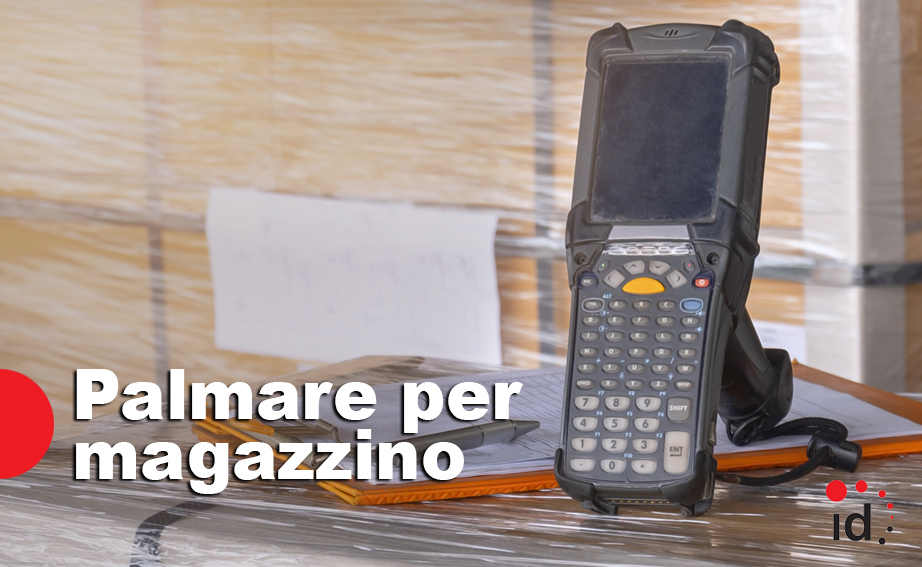
It's easy to overlook usability at first, but it's one of those things that sneaks up on you later, just like the pebbles in your shoe. The computer on your handheld should be comfortable in the hand, especially when workers use it for hours every day. The grip, button layout as well as the brightness of the screen and the design of the scanning trigger have an impact when employees are wearing gloves or moving fast. A clear screen helps workers to read the instructions clearly even in light loading zones or dim aisles without squinting. If the device is heavy, workers may tire faster, and small slowdowns can add up across an entire group. Compatibility with software also plays a role, because the device must work seamlessly with the management of warehouses, not fight it. When the handheld is easy to understand and swift to use, employees who are new can become productive sooner and the more experienced employees are able to work with no constant interruptions. In practice, the best handheld is one that is compatible with the workflow such that employees don't notice it, and instead complete the task.
The most effective way to comprehend its value is to visualize common warehouse scenes where handhelds effectively prevent issues. The picker scans the items that are in the course of an order The system then updates stock immediately, preventing the same item being offered repeatedly. A receiver scans new stock which is then evident to the whole system instantly, decreasing delay and confusion. Supervisors review cycles count results and spots an error early before it can become a delivery problem. A loader scans cartons before they go onto the truck, creating a final check which blocks deliveries that are not correct. These moments are small yet they are a reality thousands of times in busy warehouses. The handheld computers ensure that these events are steady, exact, and fast and that's what modern logistics needs. If a warehouse is running on accurate, real-time information everything feels more calm, steady, and easier to manage.